This story is from October 9, 2026. For the latest, see today's news.
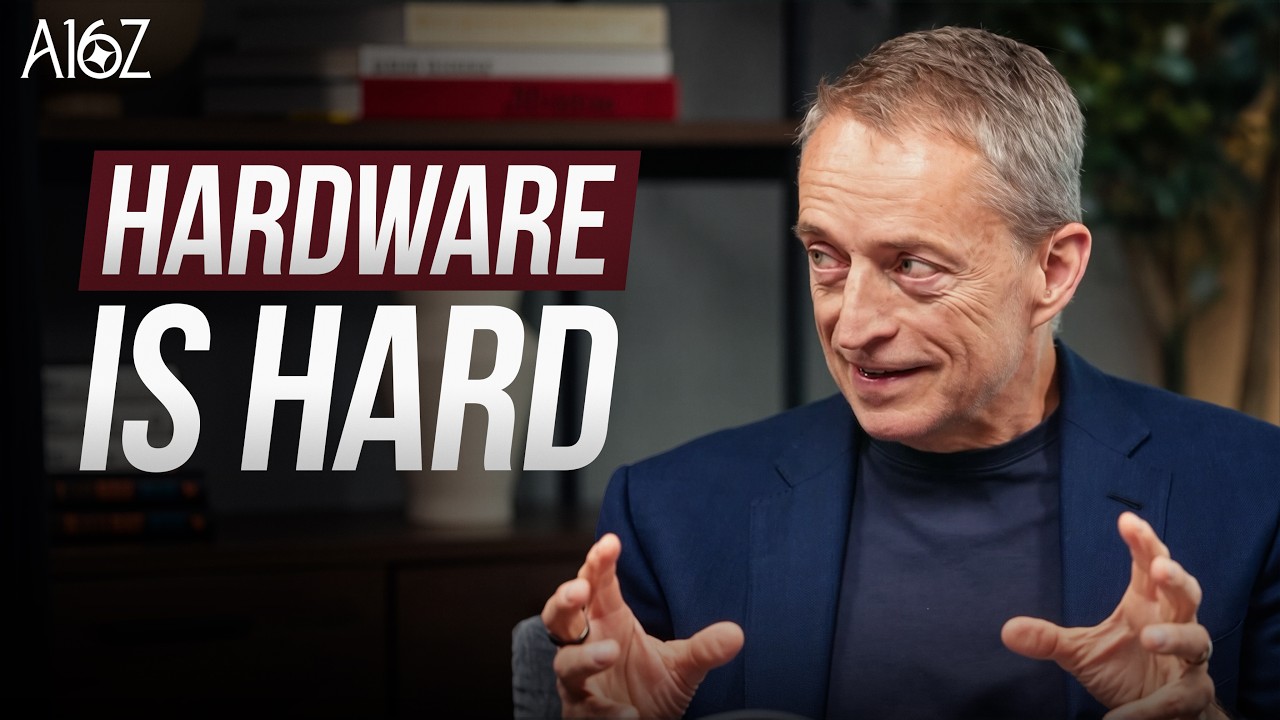
In this a16z video, former Intel CEO Pat Gelsinger joins venture investors to explore the next generation of AI hardware. Gelsinger draws on his experience designing the Intel 386 and 486 processors to explain how AI could transform chip design processes, while acknowledging that speed alone won't overcome the industry's core challenges.
The conversation covers critical bottlenecks constraining AI infrastructure: manufacturing timelines that still stretch nine months despite AI innovations, memory bandwidth limitations, advanced packaging requirements, and power consumption. They examine whether the current proliferation of specialized AI chips will eventually narrow to a smaller set of dominant architectures, and discuss emerging technologies like new memory solutions and optical networking.
A key theme is energy capacity as an economic limit on AI growth. The discussion closes with speculation on how virtualization and infrastructure design might evolve when built for rather than human users.
This is an AI-written summary. The original reporting belongs to a16z. How we write these · Spot a mistake?