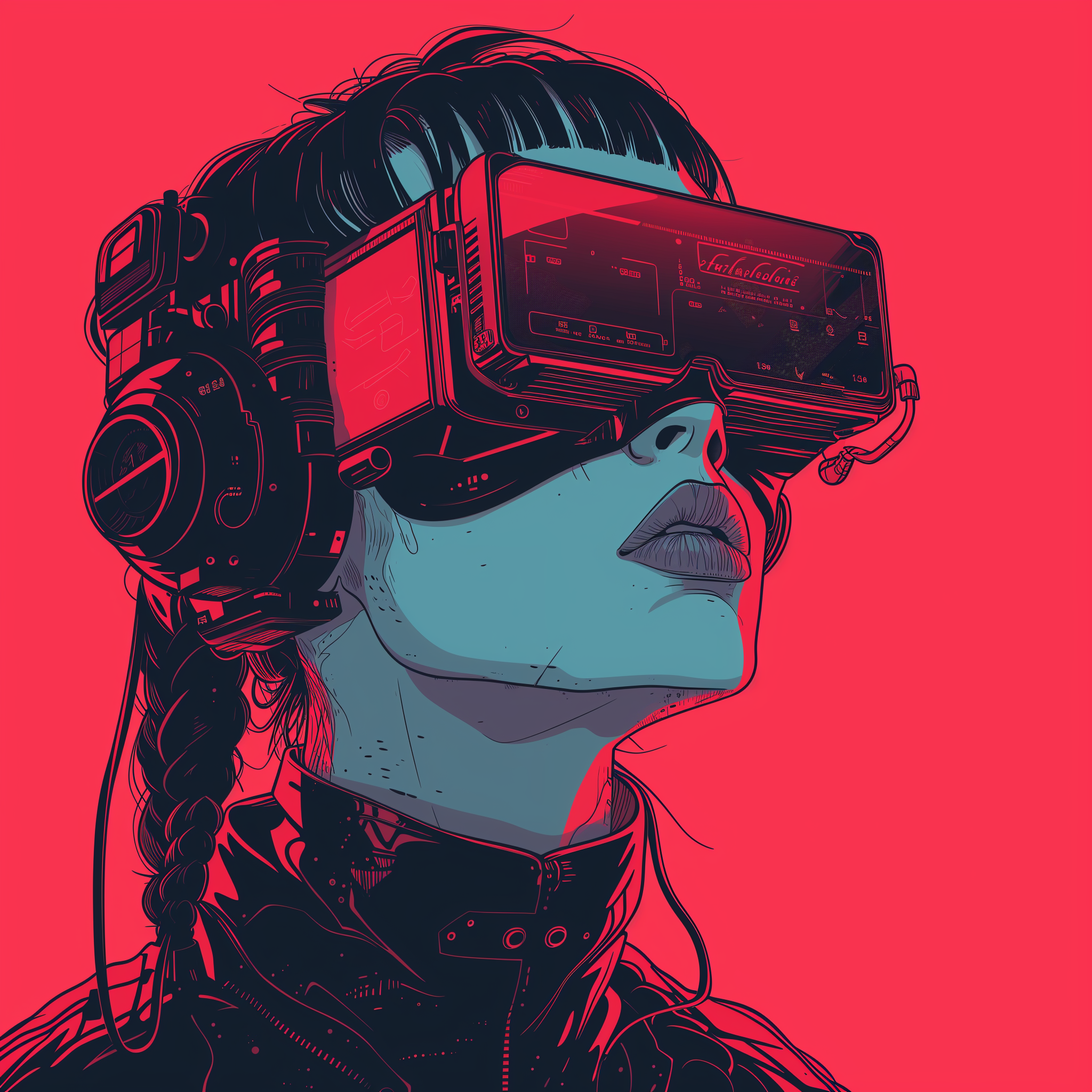




In the ever-evolving landscape of the modern workplace, artificial intelligence is no longer just a tool nibbling away at isolated tasks. The narrative is shifting-from AI replacing individual jobs to AI redefining entire workflows. This transformation signals a profound change in how work gets done, where interconnected processes, rather than discrete roles, are being automated and optimized. As machines move beyond assisting humans in fragmented duties to orchestrating seamless sequences of activities, the implications ripple through industries, economies, and the very nature of employment itself. Understanding this shift is crucial to navigating the future of work, where collaboration between humans and AI takes on new dimensions.
Unpacking the Technical Architecture Behind AI-Driven Workflow Automation and Its Impact on Operational Efficiency
At the core of AI-driven workflow automation lies a symphony of interconnected components designed to replicate-and often surpass-human decision-making within complex processes. These systems rely heavily on advanced neural networks that analyze real-time data streams, combined with natural language processing modules that interpret contextual nuances from communication channels. Layered on top are reinforcement learning algorithms that continuously refine the automation’s decision pathways, adapting workflows dynamically as operational conditions evolve. This multi-tiered architecture does not merely replace individual tasks; it orchestrates an entire sequence of interdependent activities, ensuring smooth handoffs, exception handling, and predictive resource allocation.
Operational efficiency gains become evident when AI replaces traditional siloed approaches with a holistic, data-driven ecosystem. Consider a customer service workflow: AI platforms integrate live chat analytics with backend order fulfillment and inventory management, breaking down barriers that typically slow response times. The impact can be illustrated with this comparison:
| Workflow Element | Traditional Approach | AI-Driven Automation |
|---|---|---|
| Response Time | Minutes to Hours | Seconds to Minutes |
| Error Rate | Frequently High | Minimal, Self-Correcting |
| Cross-Department Coordination | Manual and Fragmented | Seamlessly Integrated |
Beyond speed, the transformative power lies in the AI’s ability to uncover hidden inefficiencies by continuously mining workflow data, triggering iterative improvements without human prompting. This means organizations optimize not just task completion, but entire operational rhythms-driving productivity through a nuanced understanding of where bottlenecks truly lie.
Strategies for Workforce Adaptation in the Era of AI-Integrated Processes: Balancing Human Expertise with Algorithmic Precision
Balancing algorithmic precision with human insight also requires reimagining roles and team structures. Instead of viewing AI as a tool for outright replacement, forward-thinking businesses create augmented roles where workers become supervisors, interpreters, or quality controllers of machine outputs. Consider the finance sector, where AI-driven fraud detection systems automate transaction scanning, but human analysts are responsible for contextualizing alerts and navigating regulatory nuances. To illuminate this balance, contrast the following:
| Task Type | AI Strength | Human Expertise |
|---|---|---|
| Data Analysis | Rapid pattern recognition | Contextual interpretation |
| Customer Interaction | Basic query response | Emotional intelligence |
| Decision-Making | Rule-based optimization | Ethical judgment |
By highlighting complementary strengths, businesses can design workflows that multiply human impact rather than diminish it-opening pathways for workers to excel in strategic, creative, and interpersonal dimensions that no algorithm can replace.


Final Thoughts
As AI continues to evolve, the landscape of work is transforming in ways both subtle and seismic. No longer content with replacing individual tasks, artificial intelligence is reshaping entire workflows-streamlining processes, redefining roles, and challenging us to rethink the very nature of productivity. This shift calls not only for adaptation but also for imagination: to envision new partnerships between human creativity and machine precision. In this unfolding story, the future of work won’t be about jobs lost, but about workflows reinvented. And in that reinvention lies both challenge and opportunity, waiting to be embraced.