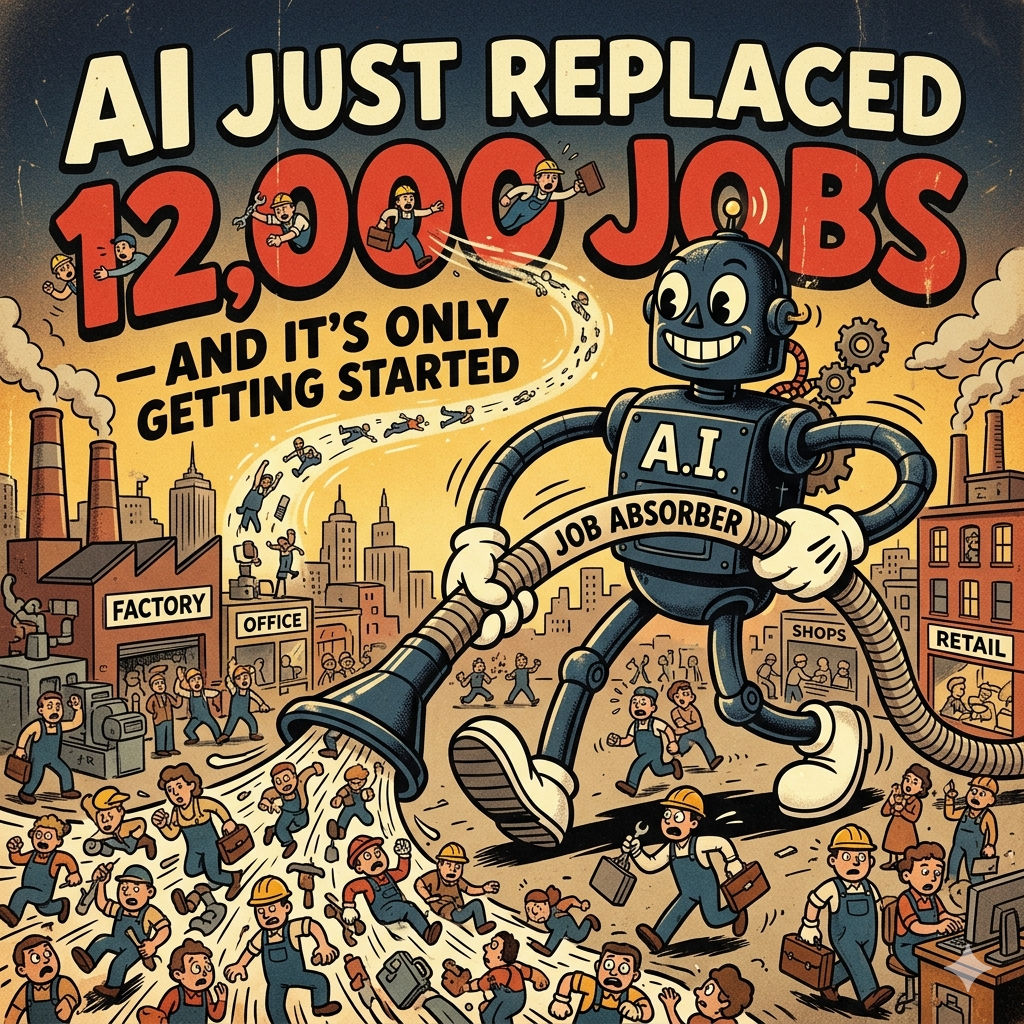


In the quiet hum of data centers and the relentless march of algorithms, a transformation is unfolding-one that is reshaping the very fabric of the workforce. Recently, artificial intelligence stepped into the spotlight, replacing 12,000 jobs in a single wave of technological evolution. This milestone is not an endpoint but a harbinger of a new era where machines and code increasingly shoulder tasks once reserved for humans. As AI continues to grow smarter and more capable, the ripple effects promise to extend far beyond these initial job displacements, inviting us to rethink the future of work, economy, and society itself.
The Impact of AI on Workforce Dynamics and Economic Shifts
- Acceleration of productivity but with polarized job creation
- Decline in demand for low-skill positions counterbalanced by growth in tech-driven roles
- Emergence of new business models leveraging AI for customized consumer experiences
- Shift in global labor markets due to automation reshaping outsourcing dynamics
| Sector | Jobs Lost | Jobs Created | Net Change |
|---|---|---|---|
| Manufacturing | 5,000 | 1,500 | -3,500 |
| Retail | 3,500 | 2,000 | -1,500 |
| Technology | 1,000 | 4,000 | +3,000 |
| Services | 2,500 | 3,000 | +500 |
Strategies for Businesses and Employees to Adapt in an AI-Driven Future
Adapting to an AI-driven landscape requires proactive steps from both businesses and employees alike. Organizations must embrace continuous learning programs to equip their workforce with new skills tailored to evolving technologies. Encouraging cross-functional teams helps leverage diverse expertise, resulting in innovative solutions that AI alone cannot provide. Moreover, fostering a culture that values creativity and emotional intelligence can differentiate human talent from automated processes, ensuring jobs remain meaningful and impactful.
For employees navigating this transformation, cultivating adaptability and technical literacy is crucial. Engaging in upskilling through online courses, workshops, and certifications enables workers to stay competitive. Networking within and beyond one’s industry opens doors to emerging opportunities that AI may create. Below is a simple guide outlining key actions for both groups to thrive in this new era:
| Businesses | Employees |
|---|---|
| Implement AI literacy training | Participate in relevant skill development |
| Promote hybrid human-AI collaboration | Build adaptability and problem-solving skills |
| Encourage innovation and creative thinking | Expand professional networks and connections |
| Maintain transparent communication about AI’s role | Stay informed about industry AI trends |
To Wrap It Up
As the dust settles on this seismic shift, one thing is clear: AI is no longer a distant promise or a futuristic concept-it’s a present-day force reshaping the very fabric of work. The displacement of 12,000 jobs marks just the opening chapter in a story that’s still unfolding, challenging industries, workers, and policymakers alike to rethink what the future of employment truly means. Adaptation, resilience, and innovation won’t be optional-they’ll be essential. In this new era where machines learn and evolve at a breathtaking pace, humanity’s greatest asset may lie in its capacity to imagine, create, and redefine its purpose beyond the traditional boundaries of labor. The journey has only just begun, and how we navigate it will shape not only economies but the essence of what work can become.